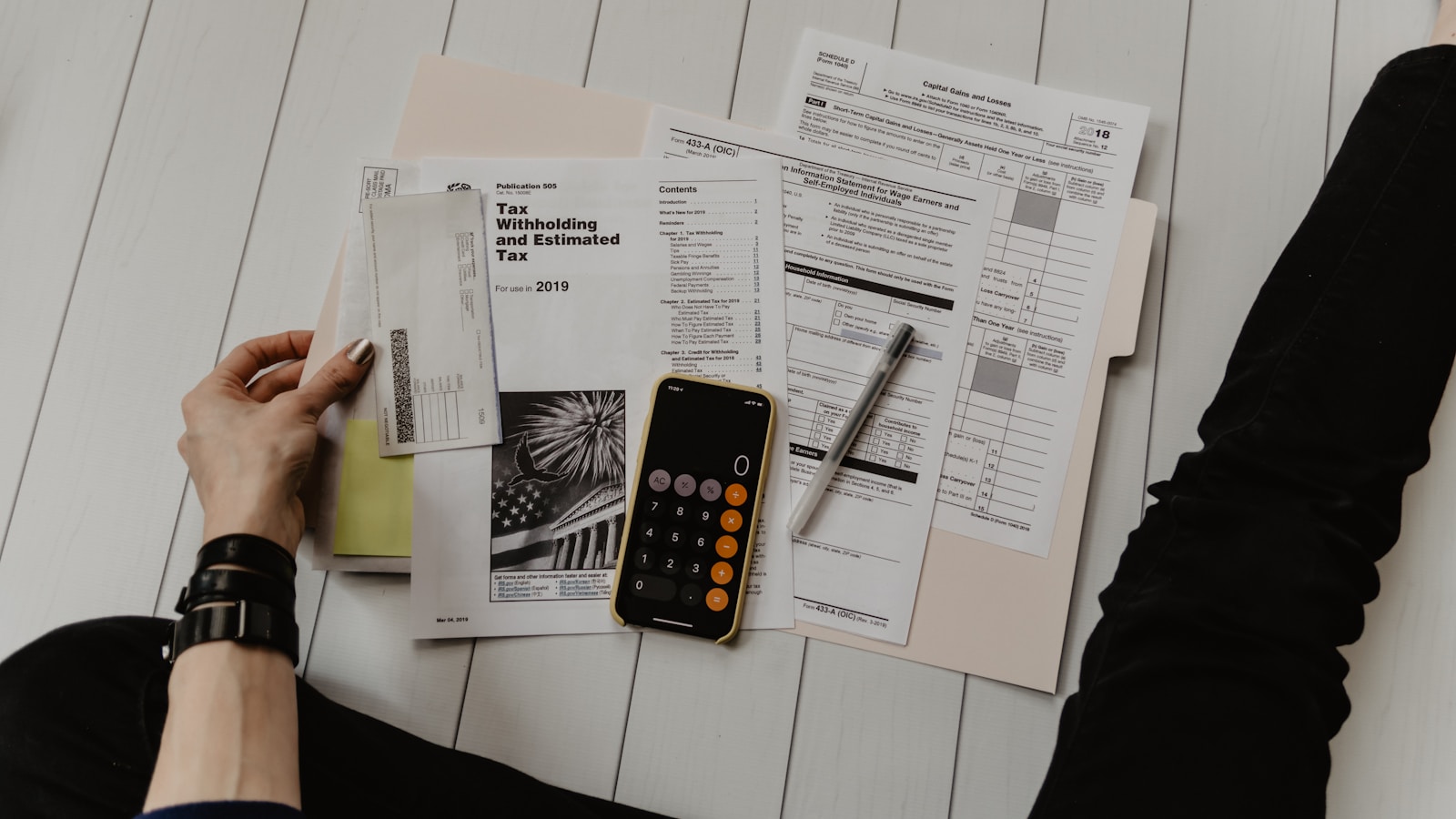
Aesthetics Of Debt
Maven Research #63: Aesthetics Of Debt.
The Aesthetics of Debt: A Recipe for Financial Self-Sabotage (With Style)
Ah, the modern art of living beyond your means—where the only thing you own is the illusion of status, and your credit score is the only currency that matters. We’ve all met them: the people who treat their credit card like a trust fund, their mortgage like a lifestyle choice, and their 401(k) like a suggestion. These are the Gilded Prisoners, masters of the Aesthetics of Debt, where every purchase is a performance, every bill is a badge of honor, and every minimum payment is a triumph of will (and bad planning). Welcome to the world where you can afford a $2,000 coffee table but not a single coffee—because, let’s be honest, the table is investing in your soul.
This isn’t just debt; it’s a curated disaster. A lifestyle so carefully constructed that it looks like success to everyone else, while you’re secretly whispering, “I have no idea how I’m going to explain this to my future self.” Below, we’ve distilled the process into a foolproof recipe—because if you can’t enjoy the journey, at least make it look like you’re winning.
The Aesthetics of Debt
Yields: A life of perpetual financial anxiety, a collection of things you don’t need, and the quiet despair of knowing you’ll never be able to afford the real stuff.
Ingredients:
- 1 cup of Lifestyle Inflation (use immediately after every raise)
- ½ cup Numerical Obsession (measure your worth in credit limits)
- 1 tbsp Subscription Bleed (pick 3-5 services you’ll forget about in 3 months)
- 2 tbsp Reverse Halo Effect (buy things to impress people you’ll never see again)
- 1 tsp Chronic Minimum Payment (the spice of financial survival)
- A dash of Algorithm Worship (because the bank’s approval is the only love you’ll ever get)
Instructions:
-
The “Reward” Reframe Every time you get a promotion or a bonus—any minor professional victory—treat it as a divine mandate to upgrade your life. Skip the one-time splurge (too boring); opt for a 36-month lease on something you’ll outgrow before the final payment. “I deserve this!” you’ll declare, while your future self screams from the shadows.
Pro tip: The more you justify it as an “investment,” the less you’ll question it. Also, the “investment” will depreciate faster than your self-esteem.
-
The Credit Bureau Anchor Your self-worth should be directly tied to your available credit limit. The higher the number, the more “productive” you feel—because nothing says “I’m thriving” like knowing you’re one missed payment away from a black mark on your soul.
Optional: Use a credit card for everything, even the groceries. The joy of seeing that $0 balance at the end of the month is almost worth the existential dread.
-
The Subscription Bleed Sign up for every service that offers a free trial. Netflix, Spotify, gym memberships, meal kits, a “productivity” app you’ll use once—all of it. The goal is to have a bank statement so dense with micro-payments that you’ll never actually look at it. “I’m too busy to audit my finances!” becomes your new mantra.
Bonus: Cancel nothing. The act of canceling is too much like admitting defeat.
-
The “Social Capital” Deficit Buy the artifacts of a life you can’t afford. That designer bag you’ll never use on a trip you’ll never take? Perfect. The espresso machine you’ll only use once before it sits in the corner like a guilty secret? Even better. The key is to look like you’re living, even if you’re just living into debt.
Remember: The world will assume you’re successful because you have things. They won’t know you’re just a master of delayed gratification (and regret).
Note from the Chef:
This recipe is not for the faint of heart. It requires a willingness to embrace discomfort, a love of spreadsheets, and the ability to ignore your own advice. The result? A life where you’re always one paycheck away from disaster, but you’ll never know the quiet joy of actually saving money. Congratulations—you’ve just built a gilded cage where the bars are made of interest rates.
Conclusion
So there you have it: the Aesthetics of Debt, where every purchase is a performance, every bill is a badge, and every minimum payment is a victory lap around the track of your own financial ruin. It’s not about the money—it’s about the illusion of it. The world will nod approvingly as you sip your $12 latte in a $2,000 coffee shop, while your 401(k) sits empty like a promise you forgot to keep.
At the end of the day, debt isn’t a failure—it’s art. And you, my friend, are the curator of your own financial masterpiece. Just don’t ask me to sign your mortgage. I’ve got standards.